Monday, October 27, 2008

Child Labor

Child labor is the employment of children at regular and sustained labour. This practice is considered exploitative by many countries and international organizations. Child labour was utilized to varying extents through most of history, but entered public dispute with the beginning of universal schooling, with changes in working conditions during industrialization, and with the emergence of the concepts of workers' and children's rights. Child labour is still common in some places where the school leaving age is lower.

Overview

Child Labor is very common, and can be factory work, mining, prostitution quarrying, agriculture, helping in the parents' business, having one's own small business (for example selling food), or doing odd jobs. Some children work as guides for tourists, sometimes combined with bringing in business for shops and restaurants (where they may also work as waiters). Other children are forced to do tedious and repetitive jobs such as: assembling boxes, polishing shoes, stocking a store's products, or cleaning. However, rather than in factories and sweatshops, most child labor occurs in the informal sector, "selling many things on the streets, at work in agriculture or hidden away in houses — far from the reach of official labor inspectors and from media scrutiny." And all the work that they did was done in all types of weather; and was also done for minimal pay.

According to UNICEF, there are an estimated 250 million children aged 2 to 17 in child labor worldwide, excluding child domestic labor. The most widely rejected forms of child labor include the military use of children as well as child prostitution. Less controversial, and often legal with some restrictions, are work as child actors and child singers, as well as agricultural work outside of the school year (seasonal work) and owning a business while operating it out of school's hours.

Children's rights

In many developed countries, it is considered inappropriate or exploitative if a child below a certain age works, excluding household chores or schoolwork. An employer is often not allowed to hire a child below a certain age. This minimum age depends on the country; child labor laws in the United States set the minimum age to work in an establishment without parents' consent and restrictions at age 16.

During the Industrial Revolution, children as young as four were employed in production factories with dangerous, and often fatal, working conditions. Based on this understanding of the use of children as laborers, it is now considered by wealthy countries to be a human rights violation, and is outlawed, while some poorer countries may allow or tolerate it.

In the 1990s every country in the world except for Somalia and the United States became a signatory to the Convention on the Rights of the Child, or CRC. The CRC provides the strongest, most consistent international legal language prohibiting illegal child labor; however it does not make child labor illegal.

Poor families often rely on the labors of their children for survival, and sometimes it is their only source of income. This type of work is often hidden away because it is not always in the industrial sector. Child labor is employed in subsistence agriculture and in the urban informal sector; child domestic work is also important. In order to benefit children, child labor prohibition has to address the dual challenge of providing them with both short-term income and long-term prospects. Some youth rights groups, however, feel that prohibiting work below a certain age violates human rights, reducing children's options and leaving them subject to the whims of those with money. The reasons a child would consent or want to work may vary greatly. A child may consent to work if, for example, the earnings are attractive or if the child hates school, but such consent may not be informed consent. The workplace may still be an undesirable situation for a child in the long run.In an influential paper on "The Economics of Child Labor" in the American Economic Review (1998), Kaushik Basu and Pham Hoang Van argue that the primary cause of child labor is parental poverty. That being so, they caution against the use of a legislative ban against child labor, and argue that should be used only when there is reason to believe that a ban on child labor will cause adult wages to rise and so compensate adequately the households of the poor children. Child labor is still widely used today in many countries, including India and Bangladesh. Even though the respective national laws state that no child under the age of 14 may work, the law is often ignored. Children as young as 11 go to work for up to 20 hours a day in sweatshops making items for US companies, such as Hanes, Wal-mart, and Target. They get paid as little as 6.5 cents per item produced.

Campaigns against child labor

Child labor was approached from the beginning of the Industrial Revolution. For example, Karl Marx called for "Abolition of children's factory labour in its present form" in his Communist Manifesto. Concern has also been raised about the buying public's moral complicity in purchasing products assembled or otherwise manufactured in developing countries with child labor. Others have raised concerns that boycotting products manufactured through child labor may force these children to turn to more dangerous or strenuous professions, such as prostitution or agriculture. For example, a UNICEF study found that 5,000 to 7,000 Nepalese children turned to prostitution after the United States banned that country's carpet exports in the 1990s. Also, after the Child Labor Deterrence Act was introduced in the US, an estimated 50,000 children were dismissed from their garment industry jobs in Bangladesh, leaving many to resort to jobs such as "stone-crushing, street hustling, and prostitution," -- all of them, according to a UNICEF study. "more hazardous and exploitative than garment production". The study says that boycotts are "blunt instruments with long-term consequences, that can actually harm rather than help the children involved."

Today there are several industries and corporations which are being targeted by activists for their use of child labor.



Friday, August 22, 2008

AIDS

Acquired immune deficiency syndrome or acquired immunodeficiency syndrome (AIDS or Aids) is a set of symptoms and infections resulting from the damage to the human immune system caused by the human immunodeficiency virus (HIV). This condition progressively reduces the effectiveness of the immune system and leaves individuals susceptible to opportunistic infections and tumors. HIV is transmitted through direct contact of a mucous membrane or the bloodstream with a bodily fluid containing HIV, such as blood, semen, vaginal fluid, preseminal fluid, and breast milk. This transmission can involve anal, vaginal or oral sex, blood transfusion, contaminated hypodermic needles, exchange between mother and baby during pregnancy, childbirth, or breastfeeding, or other exposure to one of the above bodily fluids.

AIDS is now a pandemic. In 2007, an estimated 33.2 million people lived with the disease worldwide, and it killed an estimated 2.1 million people, including 330,000 children. Over three-quarters of these deaths occurred in sub-Saharan Africa, retarding economic growth and destroying human capital. Most researchers believe that HIV originated in sub-Saharan Africa during the twentieth century. AIDS was first recognized by the U.S. Centers for Disease Control and Prevention in 1981 and its cause, HIV, identified by American and French scientists in the early 1980s.

Although treatments for AIDS and HIV can slow the course of the disease, there is currently no vaccine or cure. Antiretroviral treatment reduces both the mortality and the morbidity of HIV infection, but these drugs are expensive and routine access to antiretroviral medication is not available in all countries. Due to the difficulty in treating HIV infection, preventing infection is a key aim in controlling the AIDS epidemic, with health organizations promoting safe sex and needle-exchange programmes in attempts to slow the spread of the virus.


Symptoms

The symptoms of AIDS are primarily the result of conditions that do not normally develop in individuals with healthy immune systems. Most of these conditions are infections caused by bacteria, viruses, fungi and parasites that are normally controlled by the elements of the immune system that HIV damages. Opportunistic infections are common in people with AIDS. HIV affects nearly every organ system. People with AIDS also have an increased risk of developing various cancers such as Kaposi's sarcoma, cervical cancer and cancers of the immune system known as lymphomas. Additionally, people with AIDS often have systemic symptoms of infection like fevers, sweats (particularly at night), swollen glands, chills, weakness, and weight loss. The specific opportunistic infections that AIDS patients develop depend in part on the prevalence of these infections in the geographic area in which the patient lives.


Causes

Sexual transmission

Exposure to blood-borne pathogens

Exposure to infected body fluids

Mother-to-child transmission


Misconceptions

A number of misconceptions have arisen surrounding HIV/AIDS. Three of the most common are that AIDS can spread through casual contact, that sexual intercourse with a virgin will cure AIDS, and that HIV can infect only homosexual men and drug users. Other misconceptions are that any act of anal intercourse between gay men can lead to AIDS infection, and that open discussion of homosexuality and HIV in schools will lead to increased rates of homosexuality and AIDS


Diagnosis

The diagnosis of AIDS in a person infected with HIV is based on the presence of certain signs or symptoms. Since June 5, 1981, many definitions have been developed for epidemiological surveillance such as the Bangui definition and the 1994 expanded World Health Organization AIDS case definition. However, clinical staging of patients was not an intended use for these systems as they are neither sensitive, nor specific. In developing countries, the World Health Organization staging system for HIV infection and disease, using clinical and laboratory data, is used and in developed countries, the Centers for Disease Control (CDC) Classification System is used.


Prevention

The three main transmission routes of HIV are sexual contact, exposure to infected body fluids or tissues, and from mother to fetus or child during perinatal period. It is possible to find HIV in the saliva, tears, and urine of infected individuals, but there are no recorded cases of infection by these secretions, and the risk of infection is negligible.


Treatment

There is currently no vaccine or cure for HIV or AIDS. The only known methods of prevention are based on avoiding exposure to the virus or, failing that, an antiretroviral treatment directly after a highly significant exposure, called post-exposure prophylaxis (PEP). PEP has a very demanding four week schedule of dosage. It also has very unpleasant side effects including diarrhea, malaise, nausea and fatigue.


Tuesday, August 5, 2008

POVERTY

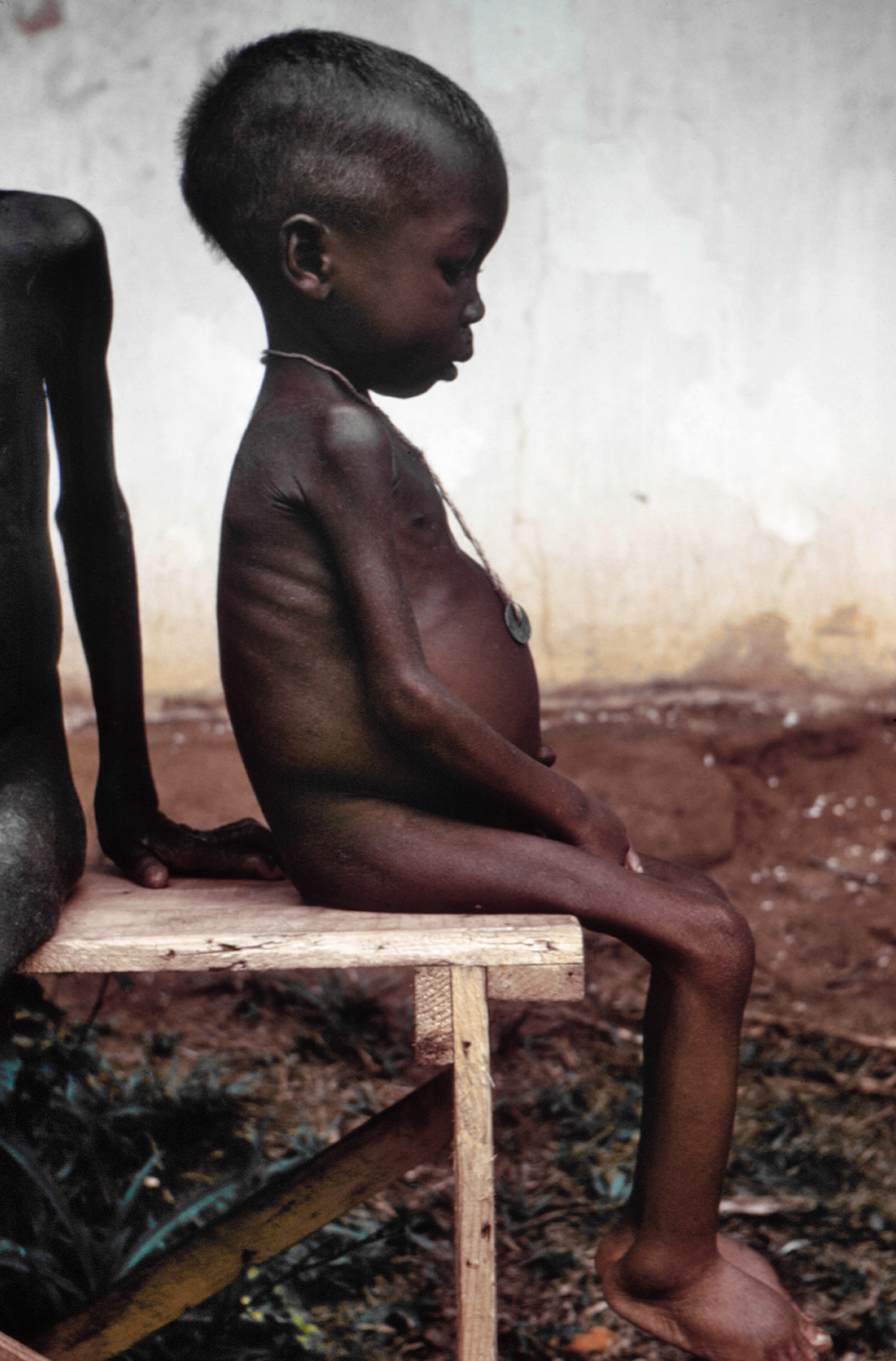
Poverty (also called penury) is deprivation of common necessities that determine the quality of life, including food, clothing, shelter and safe drinking water, and may also include the deprivation of opportunities to learn, to obtain better employment to escape poverty, and/or to enjoy the respect of fellow citizens. According to Mollie Orshansky who developed the poverty measurements used by the U.S. government, "to be poor is to be deprived of those goods and services and pleasures which others around us take for granted." Ongoing debates over causes, effects and best ways to measure poverty, directly influence the design and implementation of poverty-reduction programs and are therefore relevant to the fields of international development and public administration.

Although poverty is generally considered to be undesirable due to the pain and suffering it may cause, in certain spiritual contexts "voluntary poverty," involving the renunciation of material goods, is seen by some as virtuous.

Poverty may affect individuals or groups, and is not confined to the developing nations. Poverty in developed countries is manifest in a set of social problems including homelessness and the persistence of "ghetto" housing clusters.


Measuring poverty

Poverty can be measured in terms of absolute or relative poverty. Absolute poverty refers to a set standard which is consistent over time and between countries. An example of an absolute measurement would be the percentage of the population eating less food than is required to sustain the human body (approximately 2000-2500 calories per day for an adult male).

The World Bank defines extreme poverty as living on less than US$ (PPP) 1 per day, and moderate poverty as less than $2 a day, estimating that "in 2001, 1.1 billion people had consumption levels below $1 a day and 2.7 billion lived on less than $2 a day." The proportion of the developing world's population living in extreme economic poverty fell from 28 percent in 1990 to 21 percent in 2001. Looking at the period 1981-2001, the percentage of the world's population living on less than $1 per day has halved.

However, most of this improvement has occurred in East and South Asia In East Asia the World Bank reports that "The poverty headcount rate at the $2-a-day level is estimated to have fallen to about 27 percent, down from 29.5 percent in 2006 and 69 percent in 1990."

In Sub-Saharan Africa GDP/capita shrank by 14 percent and extreme poverty increased from 41 percent in 1981 to 46 percent in 2001, increasing the number of people living in poverty from 231 million to 318 million.

Other regions have seen little change. In the early 1990s the transition economies of Eastern Europe and Central Asia experienced a sharp drop in income. Poverty rates rose to 6 percent at the end of the decade before beginning to recede.

World Bank data shows that the percentage of the population living in households with consumption or income per person below the poverty line has decreased in each region of the world since 1990:

Region 1990 2002 2004
East Asia and Pacific 15.40% 12.33% 9.07%
Europe and Central Asia 3.60% 1.28% 0.95%
Latin America and the Caribbean 9.62% 9.08% 8.64%
Middle East and North Africa 2.08% 1.69% 1.47%
South Asia 35.04% 33.44% 30.84%
Sub-Saharan Africa 46.07% 42.63% 41.09%

There are various criticisms of these measurements. Shaohua Chen and Martin Ravallion note that although "a clear trend decline in the percentage of people who are absolutely poor is evident, although with uneven progress across regions...the developing world outside China and India has seen little or no sustained progress in reducing the number of poor". However, since the world's population has increased, if instead looking at the percentage living on less than $1/day, and if excluding China and India, then this percentage has decreased from 31.35% to 20.70% between 1981 and 2004.

Other human development indicators are also improving. Life expectancy has greatly increased in the developing world since WWII and is starting to close the gap to the developed world where the improvement has been smaller. Even in Sub-Saharan Africa, where most Least Developed Countries are to be found, life expectancy increased from 30 years before World War II to a peak of about 50 years, before the HIV pandemic and other diseases started to force it down to the current level of 47 years. Child mortality has decreased in every developing region of the world. The proportion of the world's population living in countries where per-capita food supplies are less than 2,200 calories (9,200 kilojoules) per day decreased from 56% in the mid-1960s to below 10% by the 1990s. Between 1950 and 1999, global literacy increased from 52% to 81% of the world. Women made up much of the gap: Female literacy as a percentage of male literacy has increased from 59% in 1970 to 80% in 2000. The percentage of children not in the labor force has also risen to over 90% in 2000 from 76% in 1960. There are similar trends for electric power, cars, radios, and telephones per capita, as well as the proportion of the population with access to clean water. The book The Improving State of the World finds that many other indicators have also improved.

Relative poverty views poverty as socially defined and dependent on social context. Income inequality is a relative measure of poverty. A relative measurement would be to compare the total wealth of the poorest one-third of the population with the total wealth of richest 1% of the population. There are several different income inequality metrics. One example is the Gini coefficient.

Income inequality for the world as a whole is diminishing. A 2002 study by Xavier Sala-i-Martin finds that this is driven mainly, but not fully, by the extraordinary growth rate of the incomes of the 1.2 billion Chinese citizens. However, unless Africa achieves economic growth, then China, India, the OECD and the rest of middle-income and rich countries will increase their relative advantage, and global inequality will rise.

The 2007 World Bank report "Global Economic Prospects" predicts that in 2030 the number living on less than the equivalent of $1 a day will fall by half, to about 550 million. An average resident of what we used to call the Third World will live about as well as do residents of the Czech or Slovak republics today. However, much of Africa will have difficulty keeping pace with the rest of the developing world and even if conditions there improve in absolute terms, the report warns, Africa in 2030 will be home to a larger proportion of the world's poorest people than it is today. However, economic growth has increased rapidly in Africa after the year 2000.

In many developed countries the official definition of poverty used for statistical purposes is based on relative income. As such many critics argue that poverty statistics measure inequality rather than material deprivation or hardship. For instance, according to the U.S. Census Bureau, 46% of those in "poverty" in the U.S. own their own home (with the average poor person's home having three bedrooms, with one and a half baths, and a garage). Furthermore, the measurements are usually based on a person's yearly income and frequently take no account of total wealth. The main poverty line used in the OECD and the European Union is based on "economic distance", a level of income set at 50% of the median household income. The US poverty line is more arbitrary. It was created in 1963-64 and was based on the dollar costs of the United States Department of Agriculture's "economy food plan" multiplied by a factor of three. The multiplier was based on research showing that food costs then accounted for about one third of the total money income. This one-time calculation has since been annually updated for inflation. Others, such as economist Ellen Frank, argue that the poverty measure is too low as families spend much less of their total budget on food than they did when the measure was established. Further, federal poverty statistics do not account for the widely varying regional differences in non-food costs such as housing, transport, and utilities.

Disclaimer:

The information provided on this site is not an official publication, communication, opinion or authorized text. It is my personal view.
Powered By Blogger